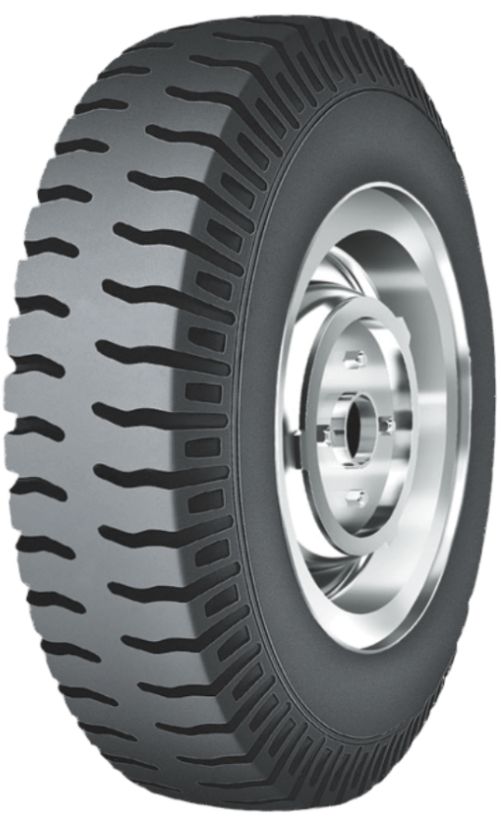
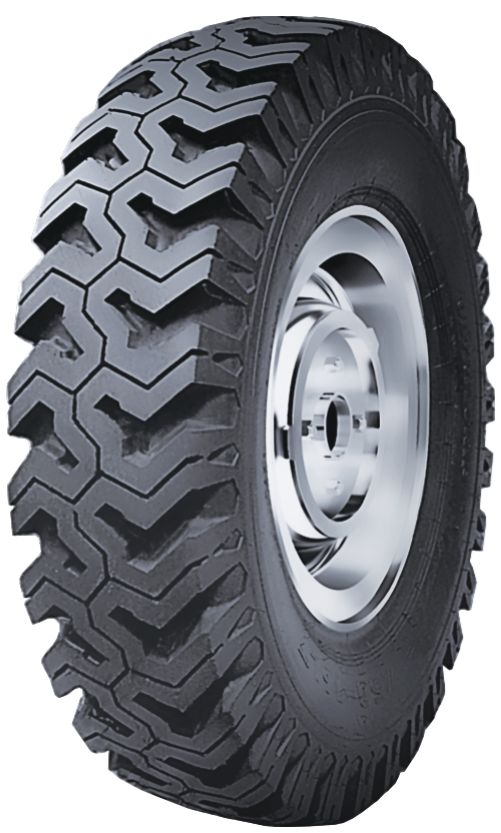
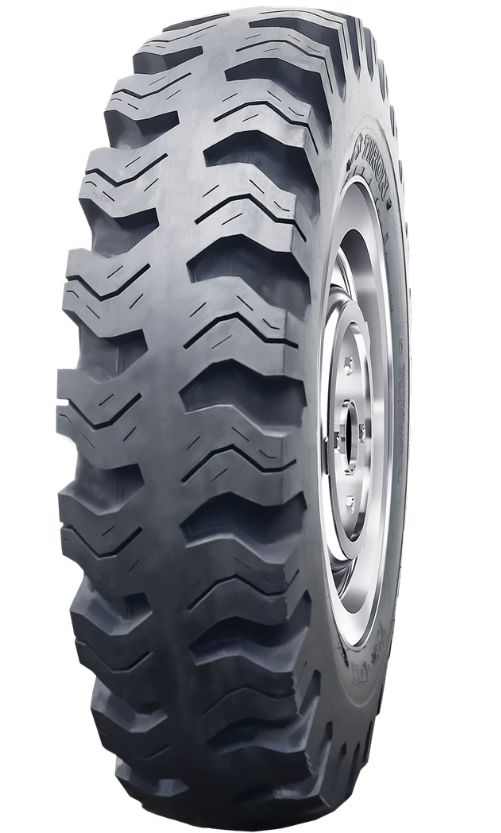
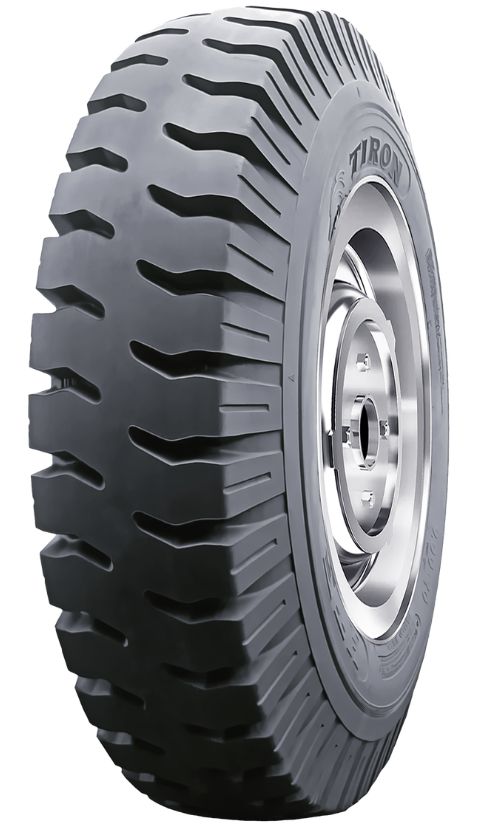
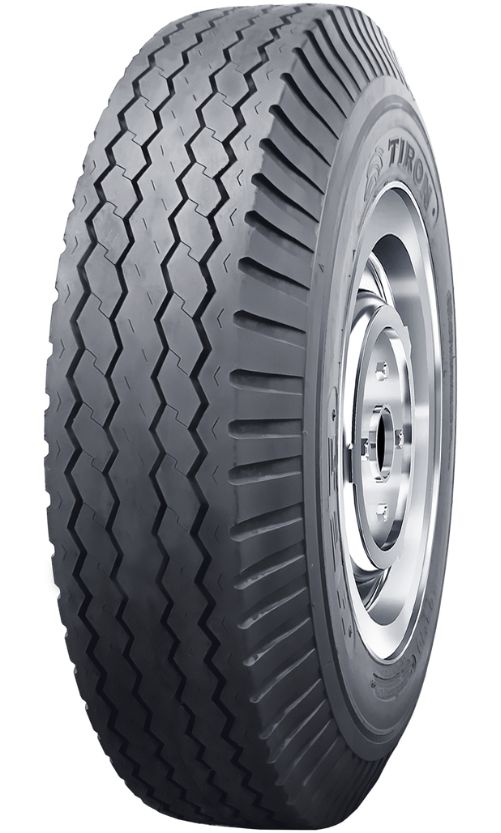
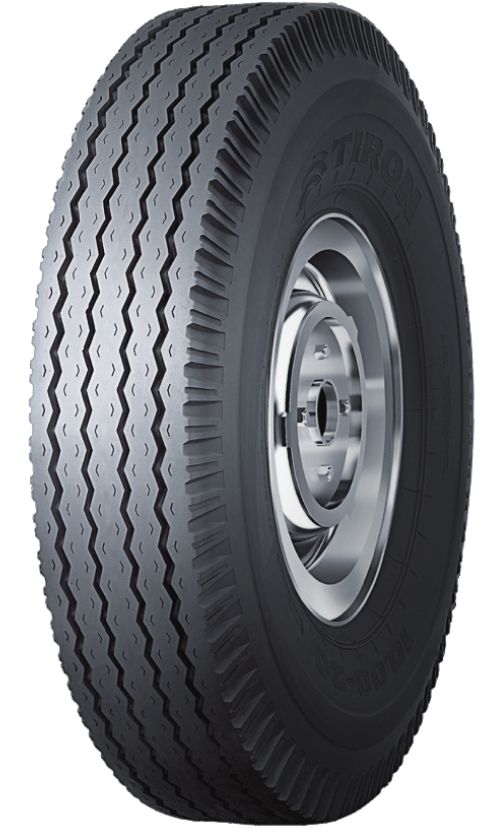
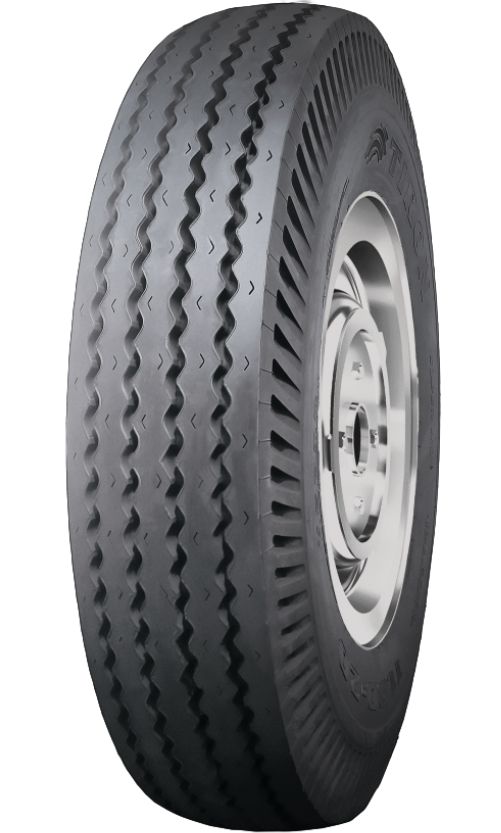
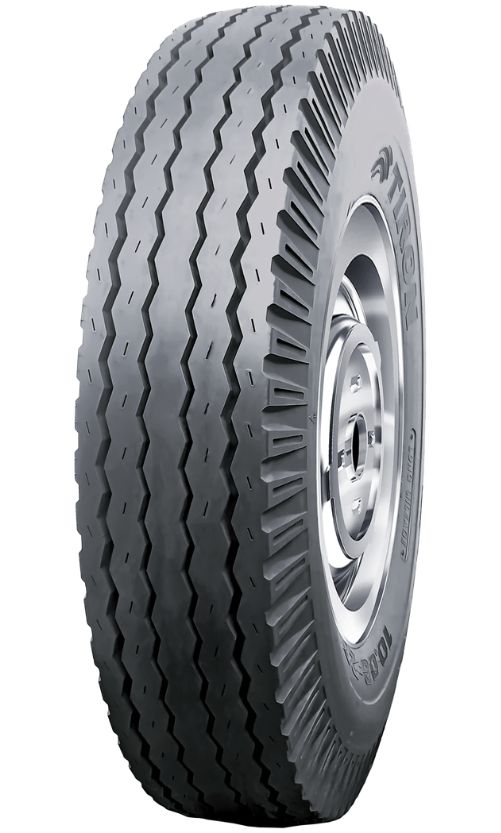
In logistics, distribution, construction, and industrial operations, tires are one of the most critical components that directly impact vehicle efficiency. However, many companies still view tire replacement as an unavoidable routine expense. In reality, with proper usage and maintenance strategies, tire lifespan can be significantly optimized.
For commercial fleets, extending tire service life is not only about reducing replacement costs but also about improving fleet productivity, minimizing downtime, enhancing operational safety, and increasing overall business efficiency.
Why Is Tire Lifespan So Important?
Commercial vehicle tires operate under much greater stress than passenger vehicle tires. They carry heavy loads, travel long distances, face varying road conditions, and endure changing weather environments.
When tire lifespan is not optimized, businesses may experience:
- Increased operating costs
- More frequent tire replacements
- Delivery schedule disruptions
- Higher risk of vehicle damage
- Greater potential for road accidents
That is why effective tire management should be considered an essential part of a smart operational strategy.
1. Maintain Proper Tire Pressure
Tire pressure is one of the most fundamental factors, yet it is often overlooked.
Incorrect tire pressure can significantly accelerate tire wear.
If tire pressure is too low:
- Tires generate excessive heat
- Sidewalls experience increased stress
- Risk of tire blowouts increases
- Fuel consumption becomes less efficient
If tire pressure is too high:
- The center tread wears out faster
- Traction decreases
- Driving comfort is reduced
Regular tire pressure inspections should be part of standard operating procedures.
2. Avoid Overloading
Carrying loads beyond the vehicle’s rated capacity can dramatically shorten tire lifespan.
Overloading causes:
- Increased internal tire pressure
- Tire structures to operate beyond their design limits
- Excessive heat buildup
- Accelerated tread wear
- Greater risk of sudden tire failure
In addition, overloading significantly increases safety risks.
Following the manufacturer’s recommended load capacity is essential.
3. Perform Regular Tire Rotation
Each tire position experiences different workloads.
For example:
- Front tires handle steering functions
- Drive axle tires receive greater traction forces
- Trailer tires experience different load distributions
Without regular rotation:
- Certain tires wear out much faster
- Tire usage becomes uneven
- Replacement costs increase
Tire rotation helps ensure more uniform wear across the entire fleet.
4. Check Wheel Alignment and Balancing
Improper wheel alignment can cause abnormal tire wear.
Common signs include:
- Uneven wear on one side of the tire
- The vehicle pulling to one side
- Unstable steering performance
Poor wheel balancing can also lead to excessive vibration.
If left unaddressed:
- Tires wear out prematurely
- Driver comfort decreases
- Suspension and steering components may suffer additional damage
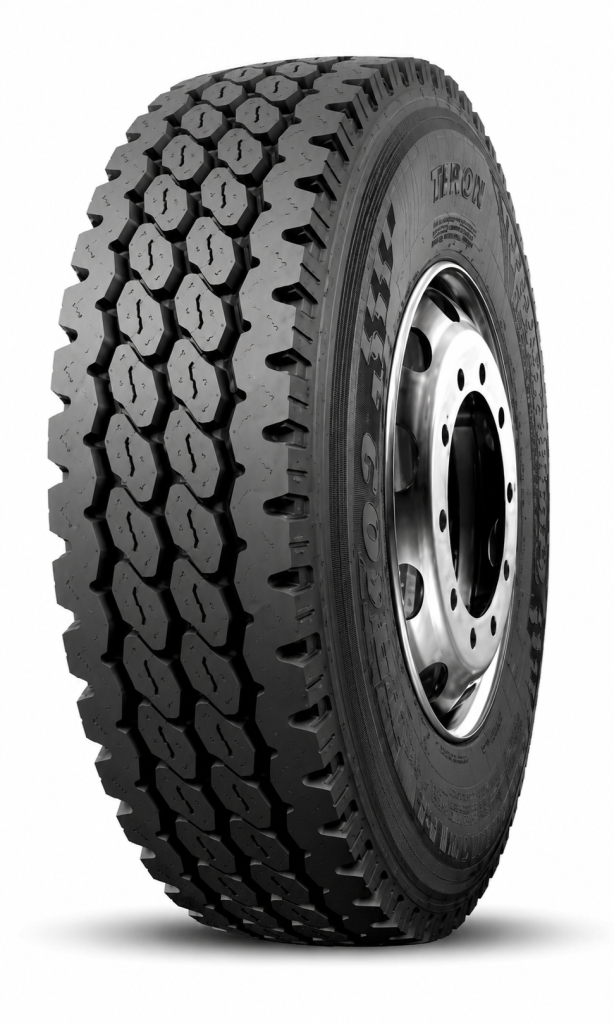
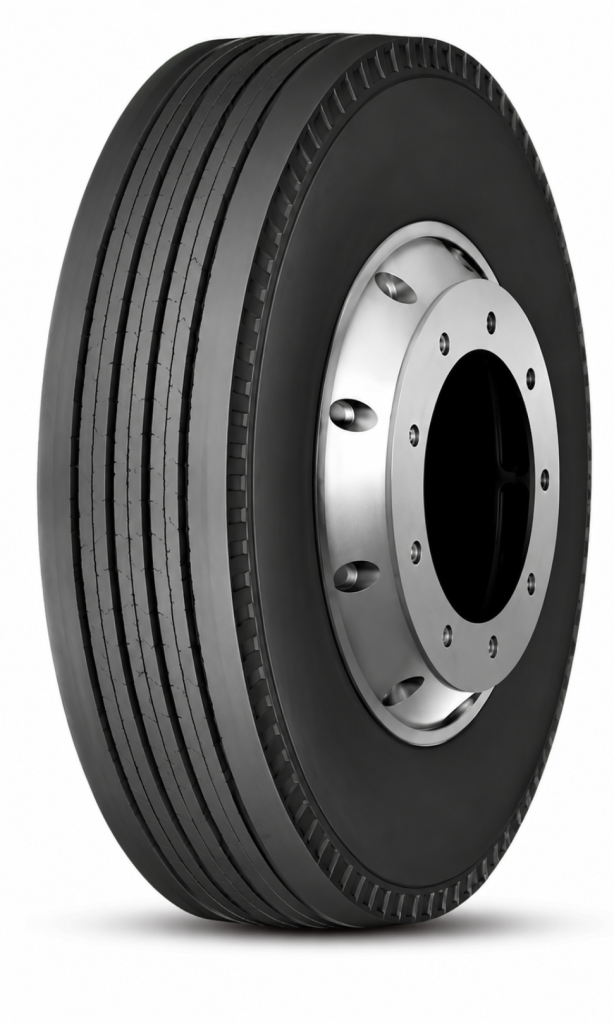
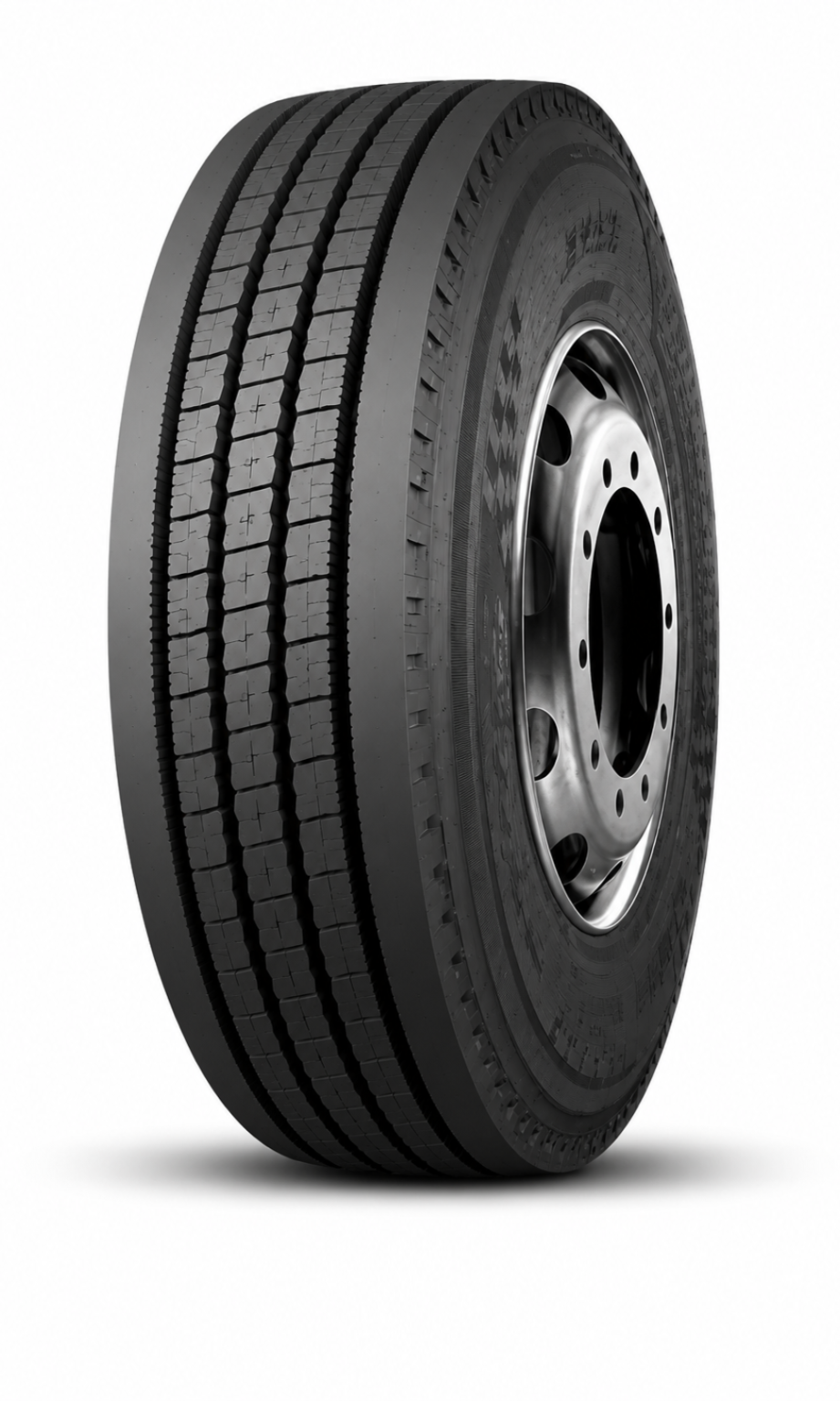
5. Use Tires Suitable for Operational Requirements
Not all tires are designed for the same applications.
Different operations require different tire specifications, such as:
- Long-haul transportation
- Urban distribution
- Construction sites
- Heavy industrial environments
- Rough terrain operations
Using the wrong type of tire can reduce performance and shorten tire lifespan.
Selecting the appropriate tire specification is crucial.
6. Avoid Aggressive Driving Habits
Driving behavior has a major impact on tire longevity.
Habits such as:
- Sudden braking
- Aggressive acceleration
- High-speed cornering
- Hitting potholes or obstacles
can accelerate tire wear.
Driver education and training should be an important part of fleet management.
7. Conduct Routine Visual Inspections
Simple visual inspections can help identify problems before they become serious.
Items to check include:
- Cracks
- Bulges
- Embedded sharp objects
- Uneven wear patterns
- Sidewall damage
Small issues that are ignored can quickly develop into major failures.
8. Consider Operating Road Conditions
Road conditions greatly affect tire durability.
Roads with:
- Rough surfaces
- Numerous potholes
- Rocky terrain
- Harsh operating environments
can accelerate tire wear.
If your fleet frequently operates in such conditions, choosing the right tire type becomes even more important.
9. Schedule Preventive Maintenance
Do not wait until tires are damaged before inspecting them.
Preventive maintenance helps:
- Detect problems early
- Reduce downtime
- Maintain fleet performance
- Extend tire lifespan
A scheduled inspection program is far more efficient than emergency repairs.
10. Choose High-Quality Tires
Proper maintenance becomes even more effective when supported by quality tire products.
Premium-quality tires generally offer:
- Stronger construction
- Better tread durability
- Improved stability
- Greater operational efficiency
Investing in the right tire products helps reduce total operating costs over time.
Long-Term Efficiency Strategy
Maximizing tire lifespan is not merely about reducing tire purchase expenses.
Long-term benefits include:
- Lower operating costs
- Higher fleet productivity
- Reduced downtime
- Smoother delivery operations
- Improved safety performance
For businesses operating large fleets, these benefits can have a substantial impact on profitability.
Conclusion
Tires are valuable assets in commercial and industrial vehicle operations. With proper tire management practices, tire lifespan can be significantly extended, helping businesses operate more efficiently and productively.
From maintaining correct tire pressure and avoiding overloading to performing tire rotations and selecting the right tire products, every step contributes to better fleet performance and long-term operational success.