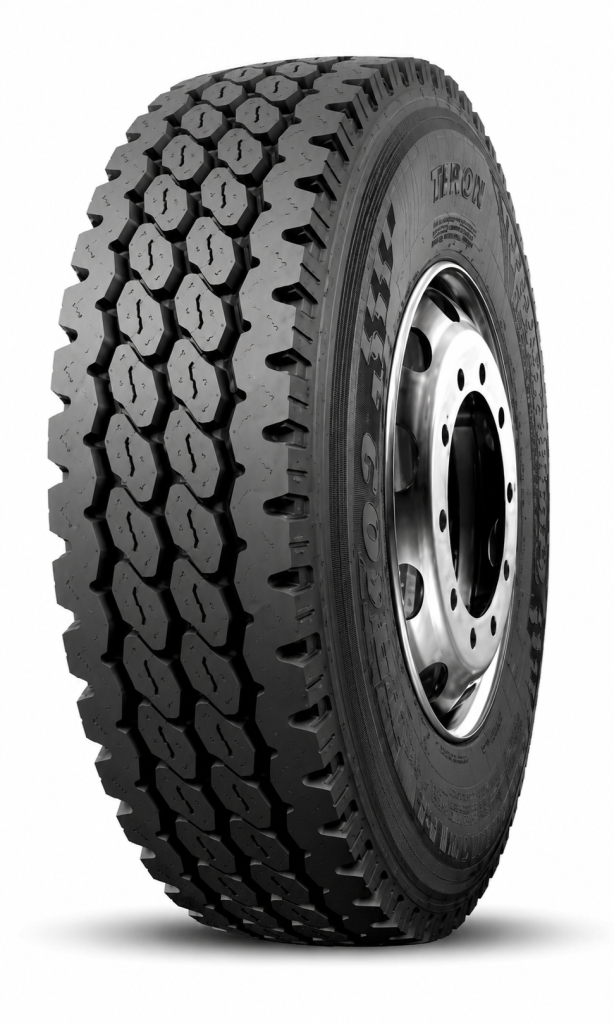
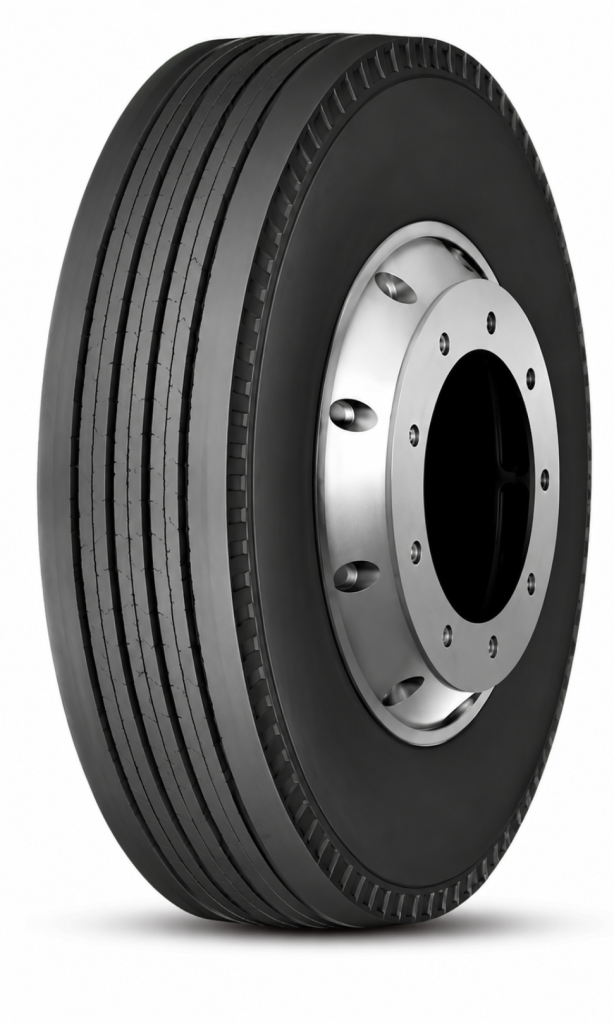
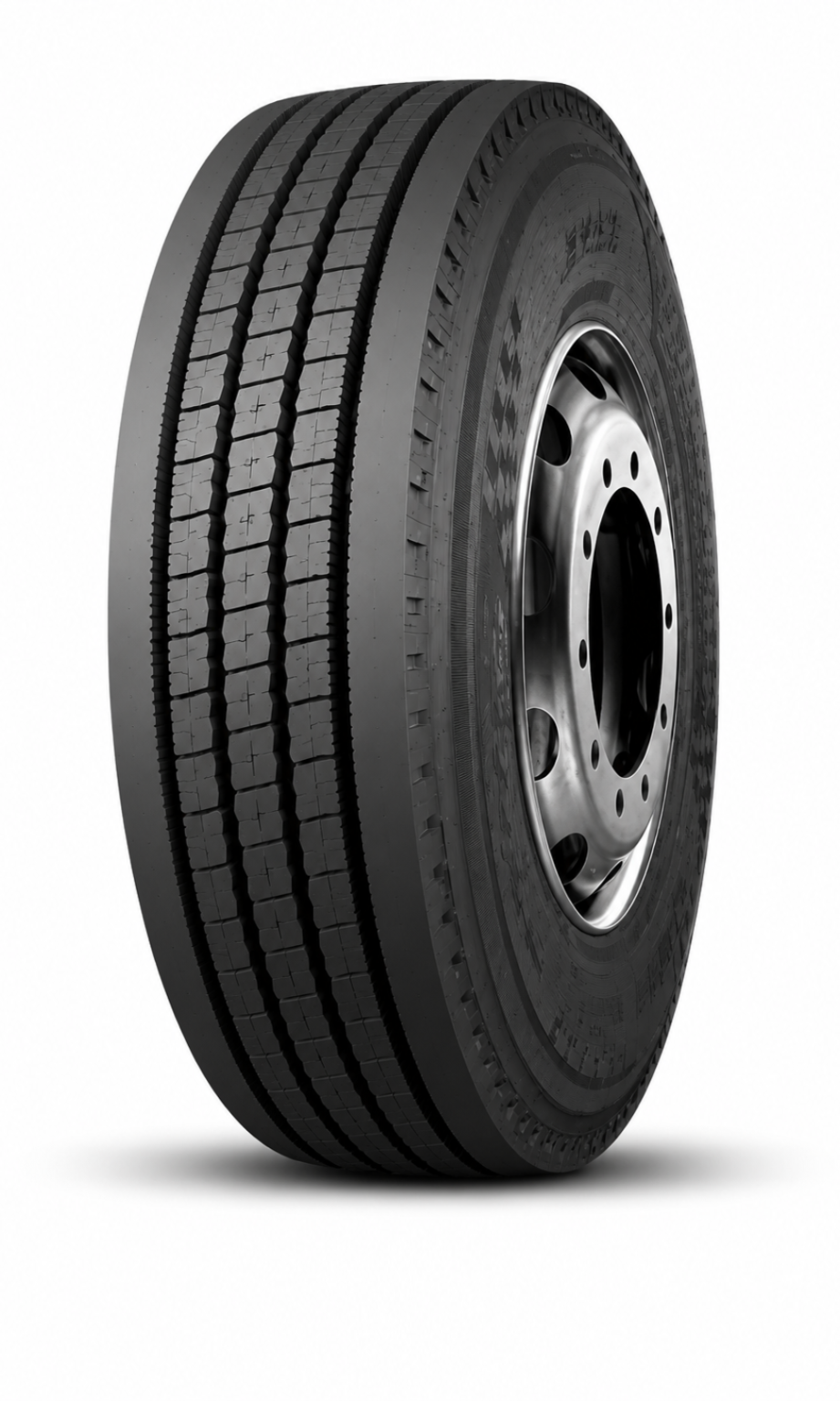
In the transportation, logistics, distribution, and industrial sectors, choosing the right tire is a critical decision that directly impacts fleet efficiency. Many business owners focus primarily on price or brand, but may not fully understand which tire construction type best suits their operational requirements. The two most common tire types used in commercial vehicles are radial tires and bias tires.
Each offers distinct characteristics, advantages, and applications. Selecting the wrong type can lead to higher operating costs, shorter tire lifespan, and suboptimal vehicle performance. Therefore, understanding the differences between radial and bias tires is essential before making a purchasing decision.
Understanding Commercial Tire Construction
The primary difference between radial and bias tires lies in their internal construction.
This construction directly affects:
- Durability
- Flexibility
- Driving comfort
- Fuel efficiency
- Load-carrying capability
- Performance across different road conditions
For this reason, tire construction should always be matched to the vehicle’s operational environment.
What Are Radial Tires?
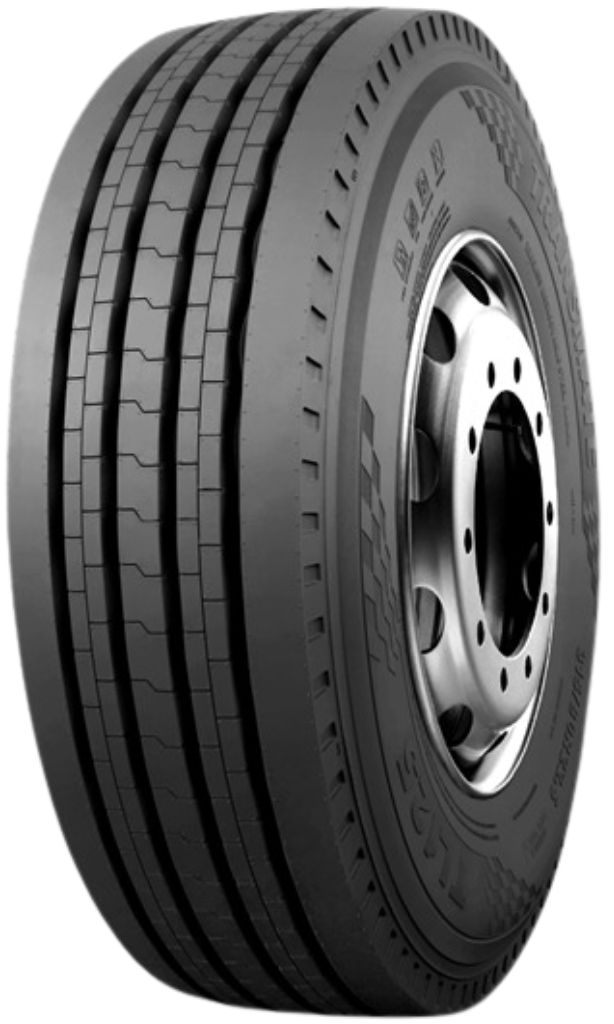
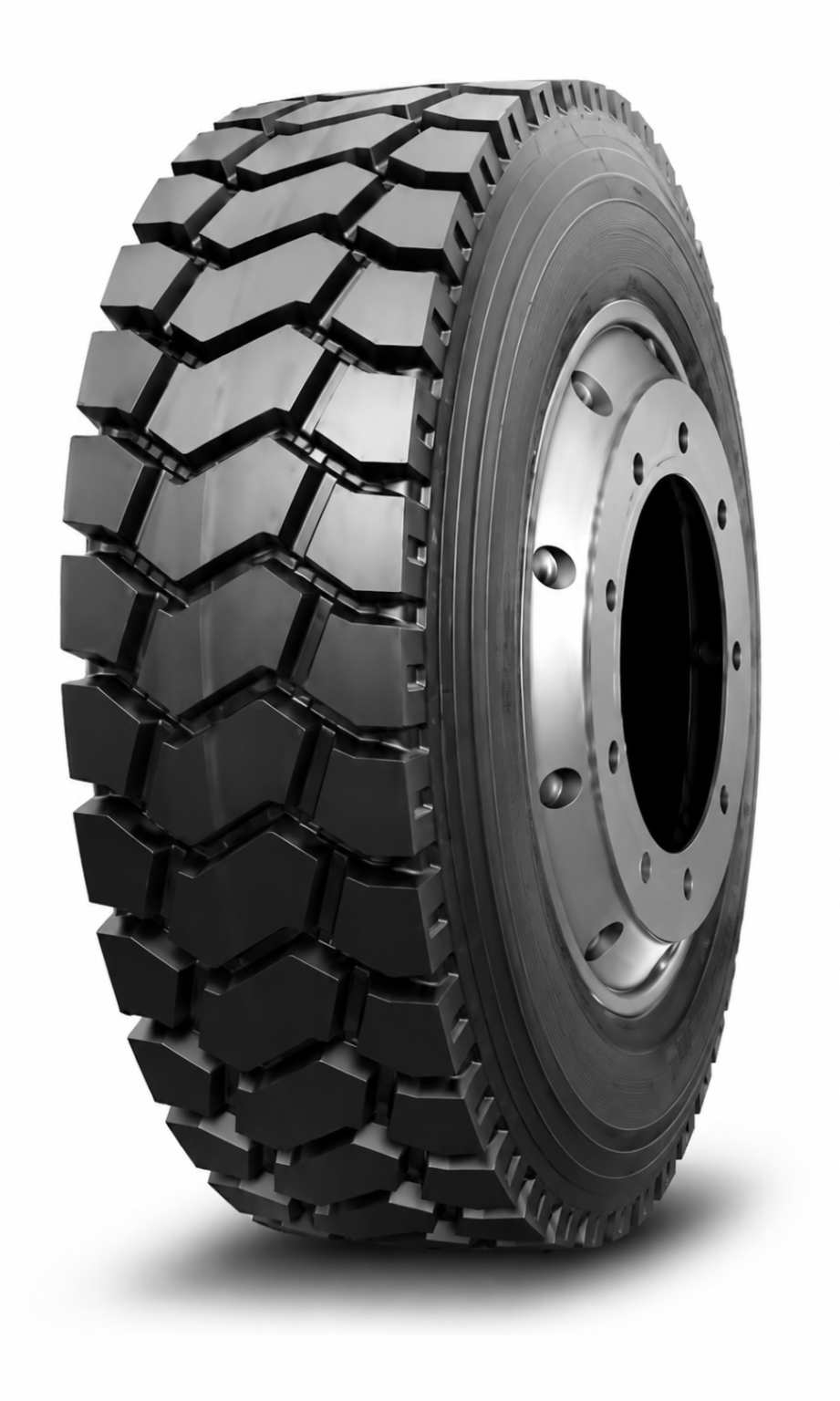
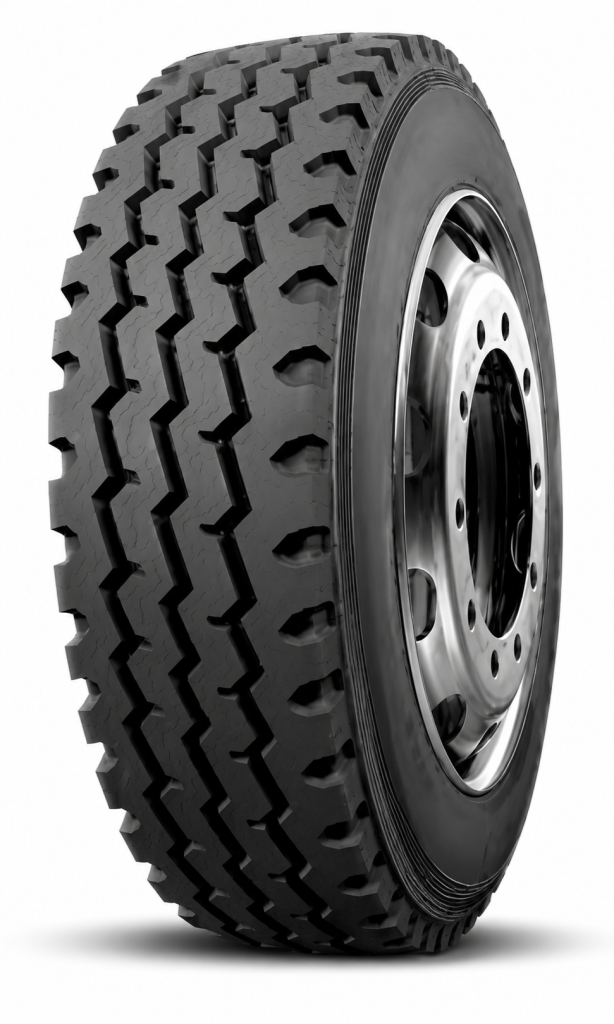
Radial tires feature reinforcing cord layers arranged perpendicular to the direction of travel, extending from bead to bead at approximately 90 degrees to the tire’s rotation.
This design allows the sidewalls to remain flexible while keeping the tread area stable.
Key Characteristics of Radial Tires
- Modern tire design
- Widely used in logistics fleets
- Ideal for long-distance transportation
- Focused on efficiency and driving comfort
Radial tires are a popular choice for commercial vehicles operating primarily on highways and regular distribution routes.
Advantages of Radial Tires
1. Better Fuel Efficiency
Radial tires offer lower rolling resistance.
This means the vehicle requires less energy to move, resulting in:
- Improved fuel economy
- Reduced operating costs
- Better efficiency for high-mileage fleets
For logistics companies, these savings can be substantial over time.
2. Longer Tire Life
Radial tires distribute pressure more evenly across the tread surface.
This helps achieve:
- More uniform wear
- Longer tread life
- Reduced replacement frequency
As a result, the higher initial investment often translates into lower long-term costs.
3. Improved Handling and Stability
The stable tread design of radial tires provides better vehicle control.
Benefits include:
- More precise steering response
- Enhanced stability at higher speeds
- Improved driver comfort
These advantages are particularly important for long-haul operations.
4. Better Heat Resistance
Radial tires generate less heat compared to bias tires.
Benefits include:
- Increased safety during long-distance travel
- Reduced risk of overheating
- More consistent performance
Disadvantages of Radial Tires
Despite their many advantages, radial tires also have some limitations:
- Higher initial purchase cost
- Sidewalls can be more susceptible to impact damage
- May be less suitable for certain extreme operating conditions
Therefore, they should be selected according to specific operational needs.
What Are Bias Tires?
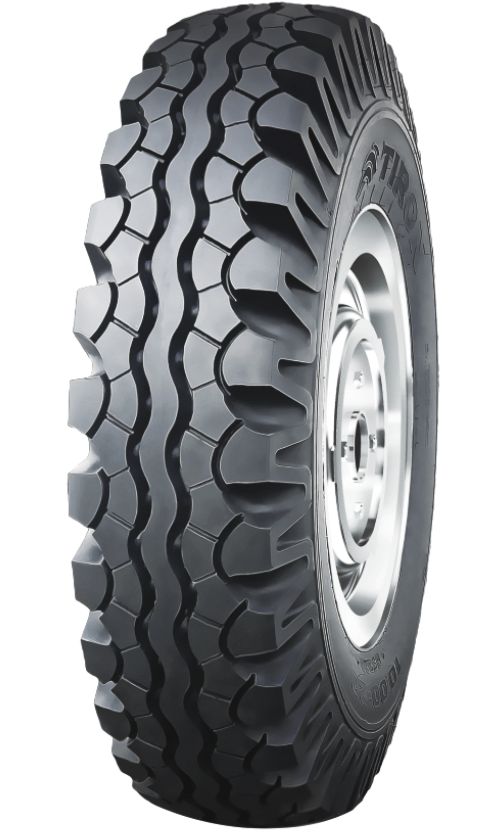
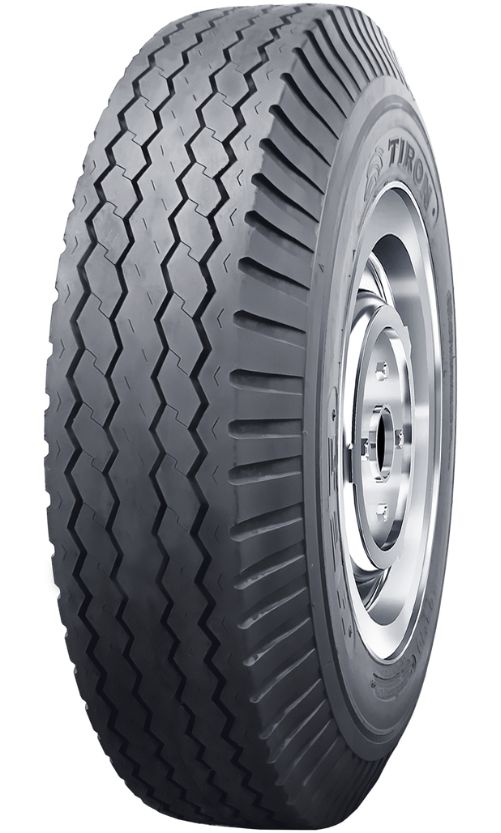
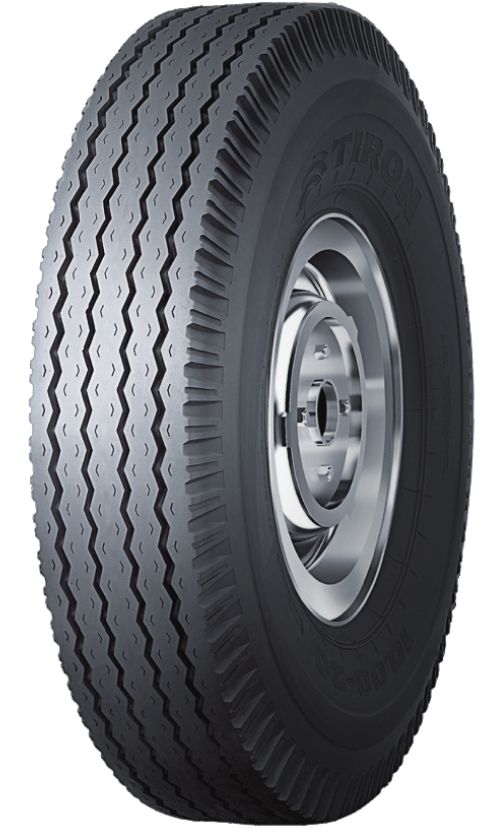
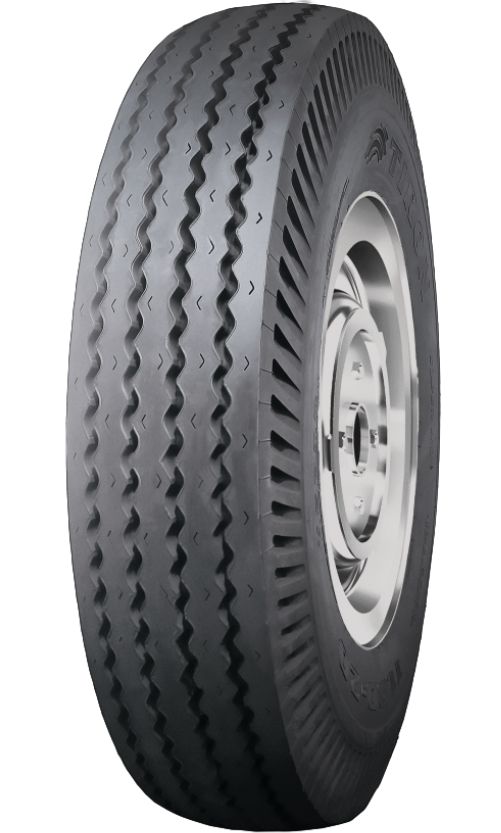
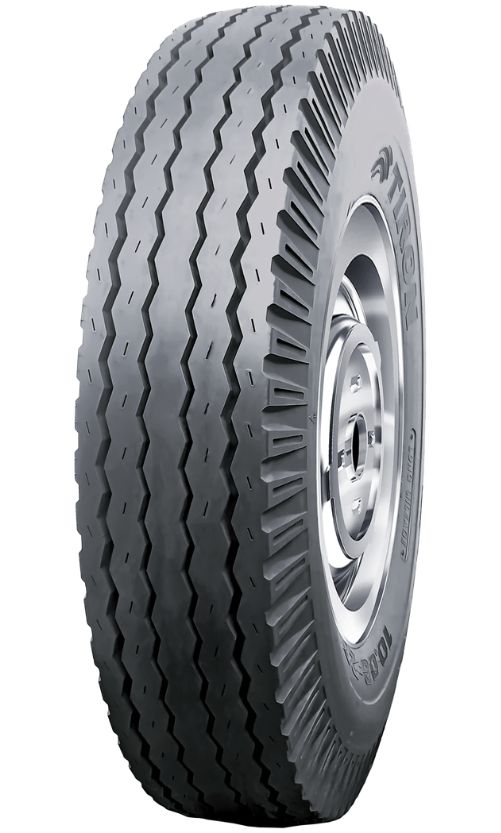
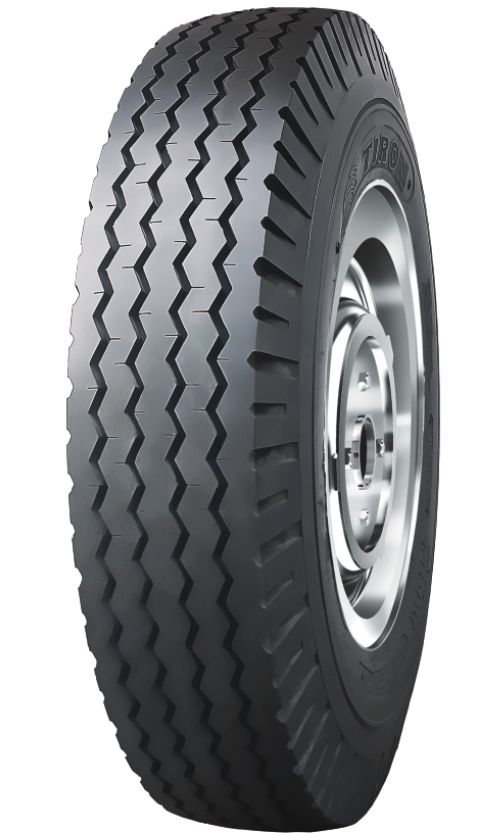
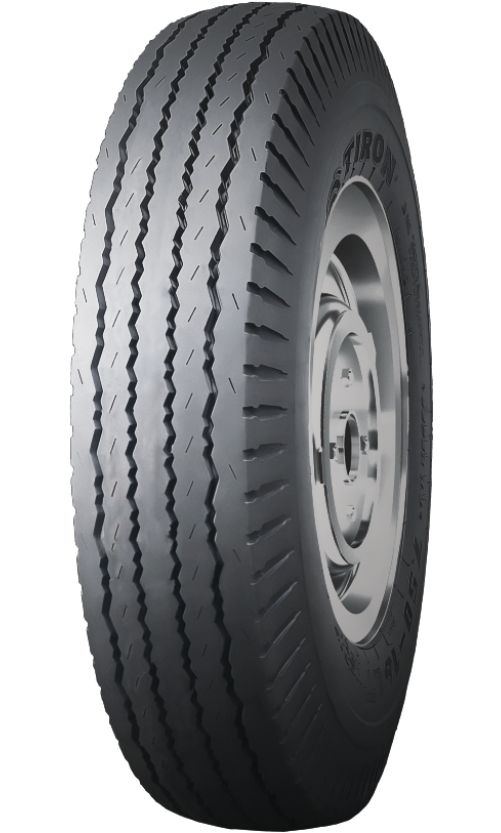
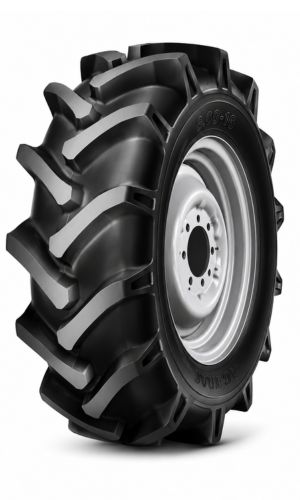
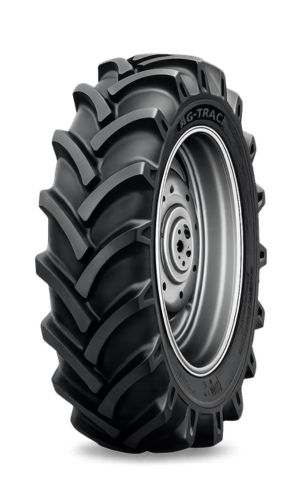
Bias tires feature cord layers arranged diagonally and crisscrossed throughout the tire structure.
This design creates a stronger and more rigid tire body.
Key Characteristics of Bias Tires
- Robust construction
- Thicker sidewalls
- Suitable for demanding terrain
- Traditional design that remains relevant in specific applications
Bias tires continue to be widely used in certain industrial sectors.
Advantages of Bias Tires
1. Stronger Structure for Harsh Terrain
The rigid construction makes bias tires more resistant to impacts and punctures.
They are well-suited for:
- Construction sites
- Rocky roads
- Industrial environments
- Light mining operations
- Rough operating conditions
2. Lower Initial Purchase Cost
In many categories, bias tires are more affordable upfront.
This can be an important consideration for businesses with budget constraints.
3. Strong Load-Carrying Capability in Certain Applications
Bias tires have a solid body structure that can provide advantages when carrying heavy loads at lower operating speeds.
Disadvantages of Bias Tires
Some common drawbacks include:
- Higher fuel consumption
- Greater heat generation
- Reduced ride comfort
- Generally shorter tread life
- Less stable handling at higher speeds
As a result, bias tires are typically chosen for more specialized applications.
Radial Tires vs. Bias Tires: Quick Comparison
Radial Tires Are Ideal For:
✔ Long-haul logistics fleets
✔ Intercity distribution operations
✔ Fuel-efficiency-focused businesses
✔ Highway and expressway driving
✔ Enhanced driver comfort
✔ Extended tire lifespan
Bias Tires Are Ideal For:
✔ Construction and project sites
✔ Damaged roads and rough terrain
✔ Low-speed operations
✔ Heavy-load applications in demanding environments
✔ Situations requiring stronger sidewalls
Which Tire Is Better for Commercial Vehicles?
The answer depends entirely on your operational requirements.
If your business focuses on:
- Logistics
- Distribution
- Intercity transportation
- Modern commercial transport operations
Then radial tires are generally the more efficient choice.
However, if your vehicles operate in:
- Construction projects
- Industrial sites
- Heavy-duty work environments
- Harsh off-road conditions
Then bias tires may be the more suitable option.
Don’t Focus Only on Initial Purchase Price
Many buyers compare tires based solely on upfront cost.
However, what matters more is the total cost of ownership (TCO).
Key factors to consider include:
- Fuel consumption
- Tire lifespan
- Downtime costs
- Replacement frequency
- Maintenance requirements
In many cases, a tire with a higher purchase price can deliver significantly greater savings over its service life.
Conclusion
Both radial and bias tires offer unique advantages, and neither is universally superior for every application.
The most important factor is selecting the tire type that best matches your fleet’s operational requirements.
By choosing the right tire construction, businesses can improve efficiency, enhance operational safety, reduce long-term costs, and maximize fleet performance.