In the logistics and distribution industry, operational efficiency is one of the key factors that determine business success. Many companies focus on fleet management, drivers, and delivery schedules, yet often overlook one critical component that significantly impacts vehicle performance: truck tires.
In reality, selecting the right truck tires can directly influence fuel efficiency, road safety, driver comfort, and long-term operating costs.
Truck tires are far more than just supporting components. For logistics fleets that operate daily under heavy loads and varying road conditions, tires serve as the foundation of vehicle performance. Therefore, understanding how to choose the right truck tires is essential for fleet owners and distribution companies.
Why Is Choosing the Right Truck Tire So Important?
Truck tires operate under much harsher conditions than passenger vehicle tires. In addition to carrying heavy loads, they must withstand various road environments, including highways, intercity routes, industrial areas, and uneven terrain.
Choosing the wrong tire can result in:
- Increased fuel consumption
- Faster tire wear and more frequent replacements
- Higher risk of tire blowouts
- Reduced vehicle stability
- Fleet downtime and operational disruptions
- Increased maintenance costs
On the other hand, selecting the appropriate tire can significantly improve overall fleet efficiency.
1. Understand Your Fleet’s Operating Conditions
The first step in selecting truck tires is understanding how your vehicles are used.
Different fleets have different operational requirements, such as:
Long-Haul Transportation
For fleets frequently traveling between cities or provinces via highways, tires should prioritize:
- Fuel efficiency
- Driving comfort
- Long service life
Regional Distribution
For operations combining urban and regional routes, tires should offer a balance between durability and traction.
Industrial and Construction Applications
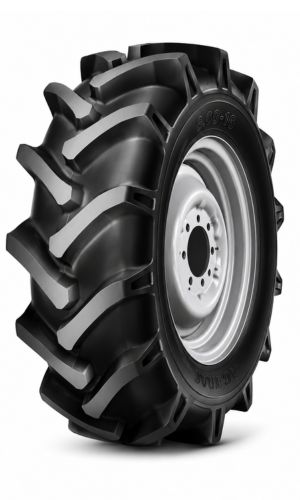
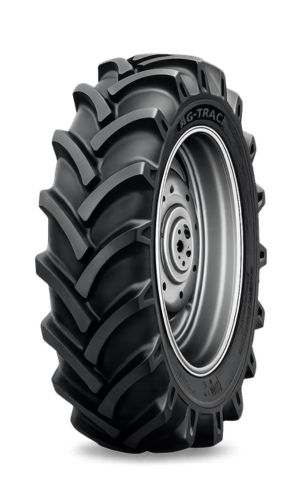
Vehicles operating in construction sites, factories, or rough terrain require tires with stronger structures and greater resistance to impacts.
Understanding your operating environment helps ensure the right tire selection.
2. Choose the Right Tire Type: Radial or Bias
Truck tires generally fall into two main categories:
Radial Tires
Radial tires feature reinforcing cords positioned perpendicular to the direction of rotation.
Advantages:
- Better fuel efficiency
- Longer tread life
- Improved handling stability
- Ideal for long-distance transportation
- Superior heat resistance
Radial tires are the preferred choice for modern logistics fleets due to their overall efficiency.
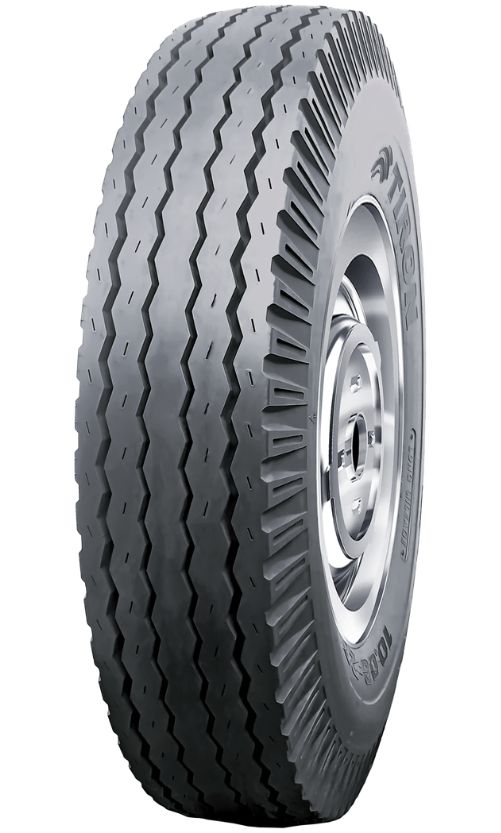
Bias Tires
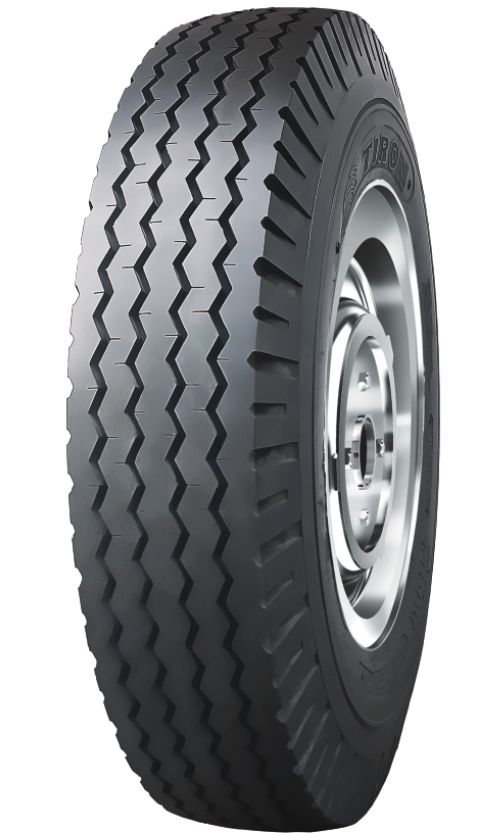
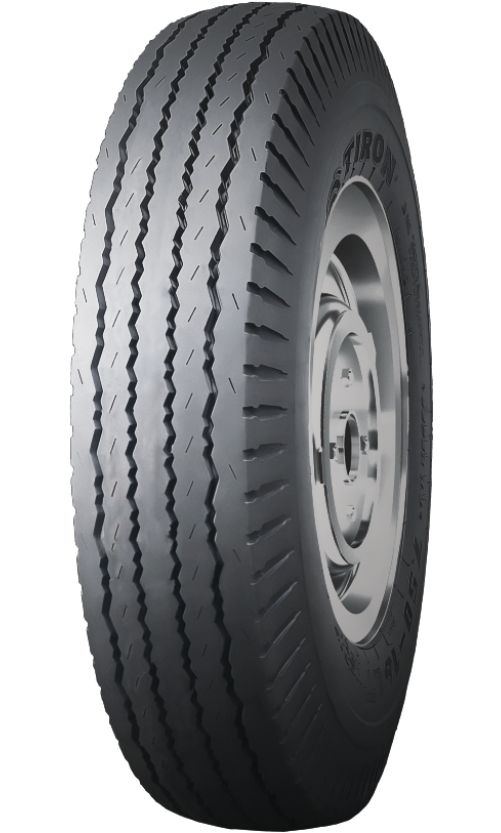
Bias tires feature diagonal cord layers that crisscross throughout the tire structure.
Advantages:
- Stronger sidewalls
- Suitable for harsh operating environments
- Generally lower upfront cost
Bias tires are commonly used in more demanding off-road and industrial applications.
3. Consider Load Capacity
Every tire has a specific maximum load rating, making load capacity one of the most important selection criteria.
Using tires with insufficient load capacity can lead to:
- Overheating
- Accelerated wear
- Blowouts
- Structural tire damage
Always ensure the tire load index matches both the vehicle specifications and daily operating requirements.
For fleets carrying heavy loads regularly, investing in the correct specification is often more cost-effective over time.
4. Match Tires to Road Conditions
Not all tires are designed for the same road conditions.
Highway Operations
Require low rolling resistance to maximize fuel efficiency.
Urban Roads
Require strong grip due to frequent stop-and-go driving.
Rough Roads and Construction Sites
Require aggressive tread designs and stronger tire construction.
Choosing the wrong tread design can significantly reduce tire performance.
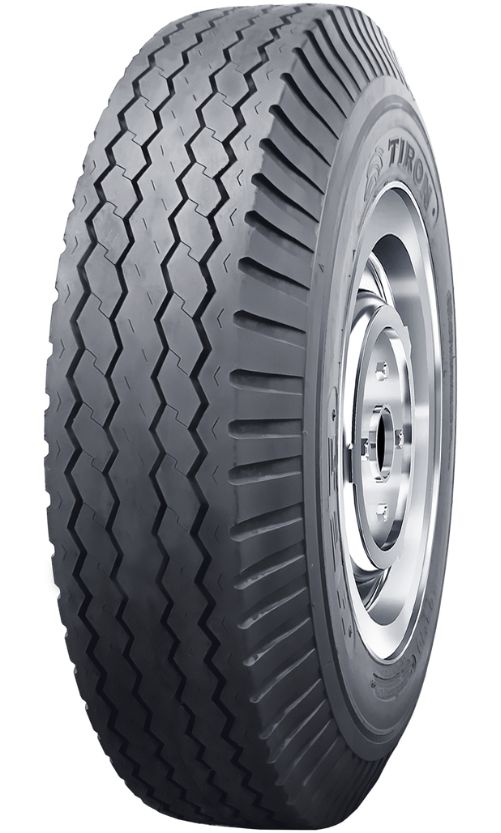
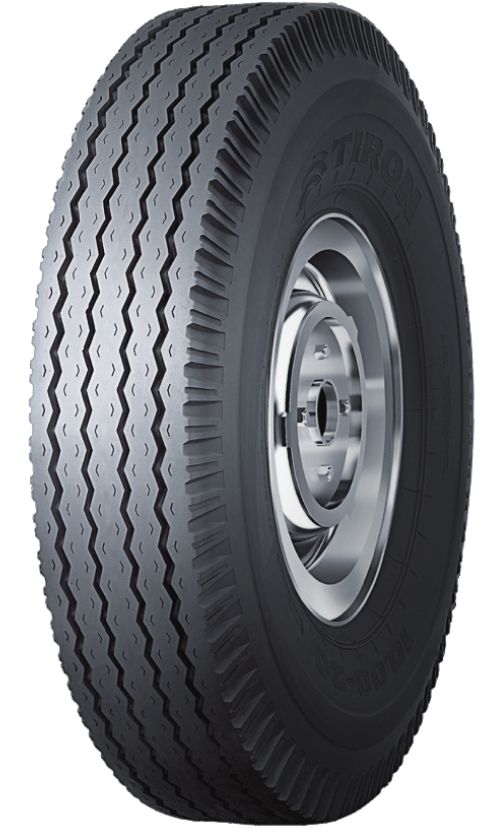
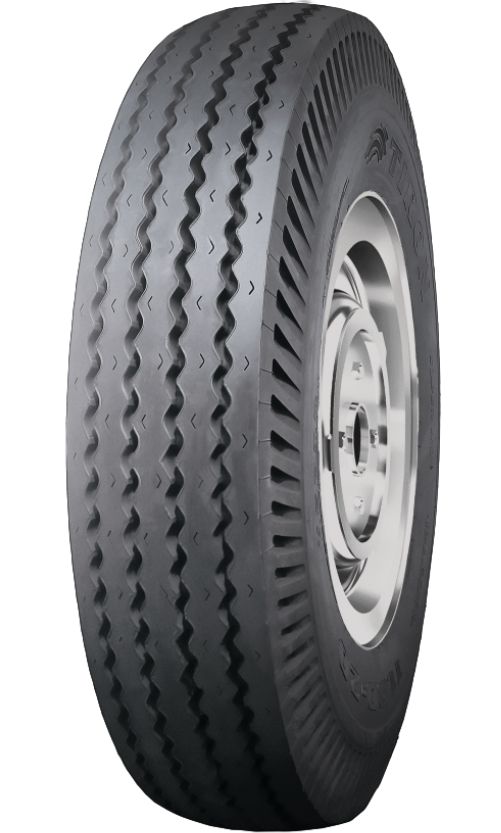
5. Understand Tread Patterns
Tread design plays a major role in vehicle performance.
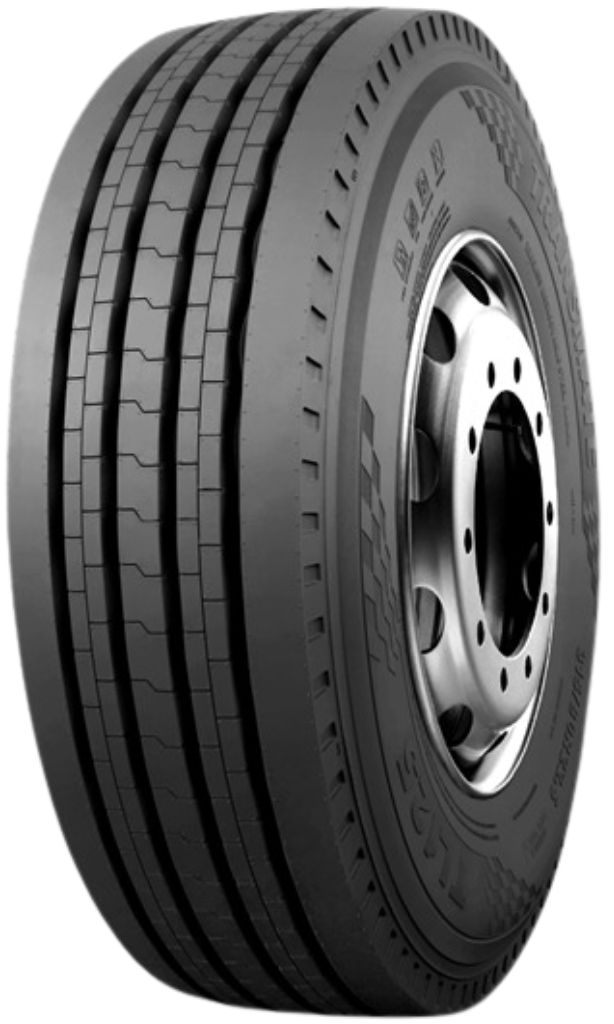
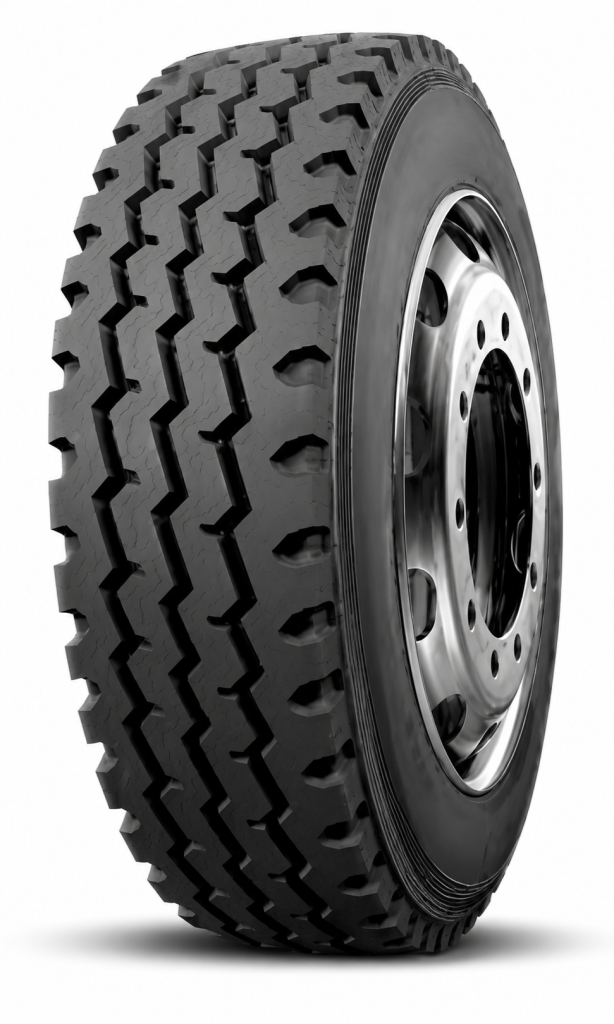
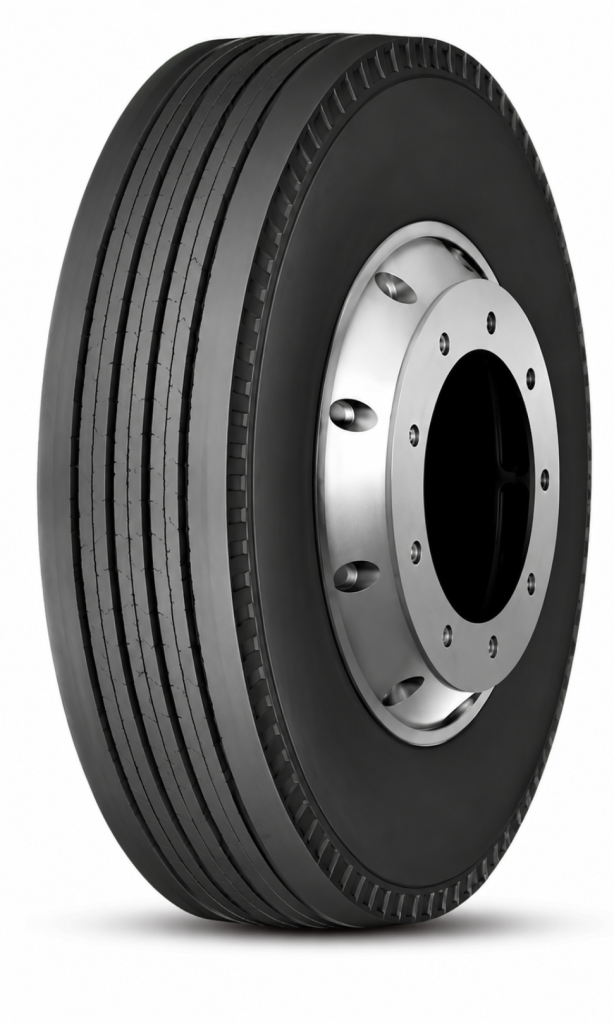
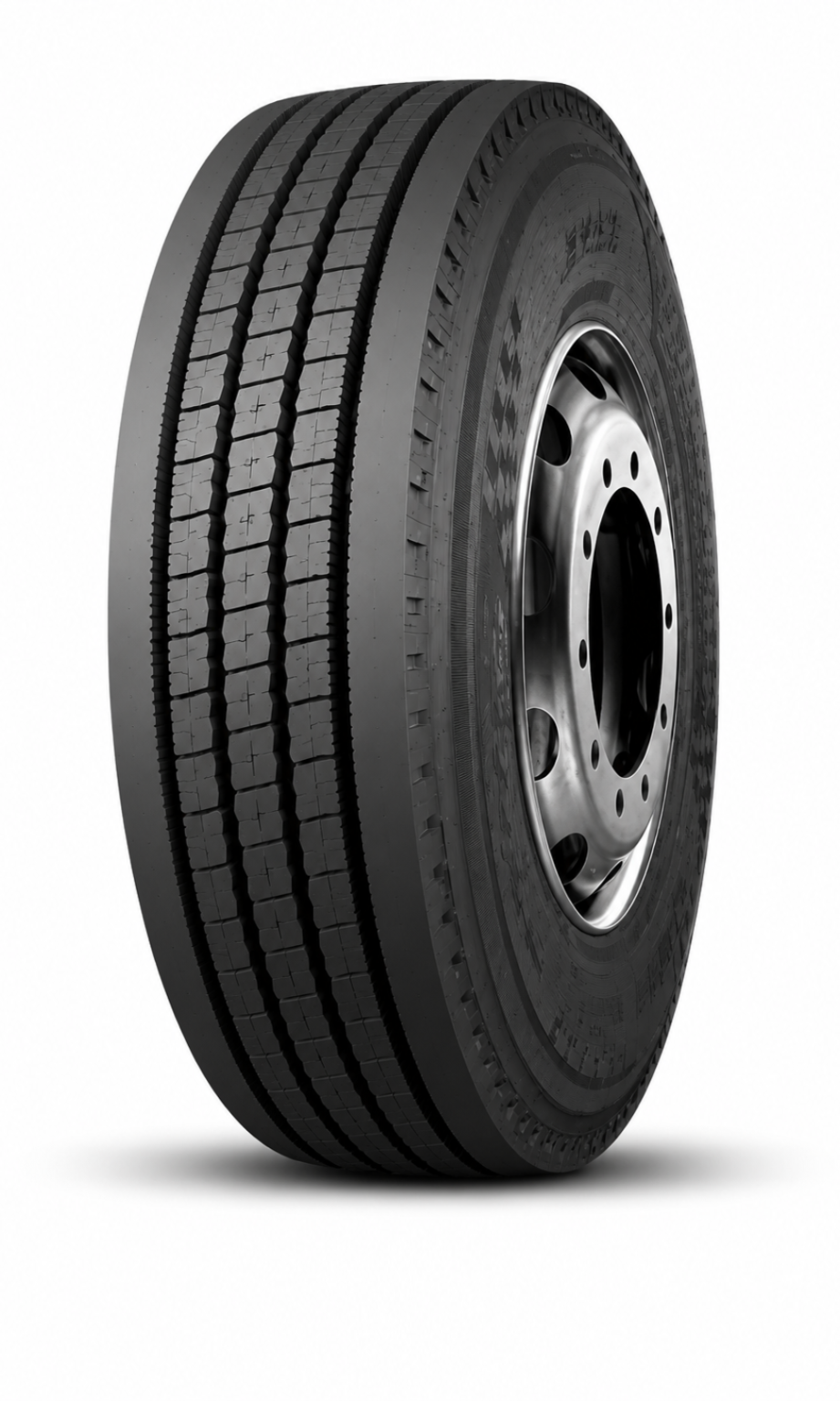
Rib Pattern
Commonly used on steering axles and long-haul applications.
Benefits:
- Excellent stability
- Responsive steering
- Improved fuel economy
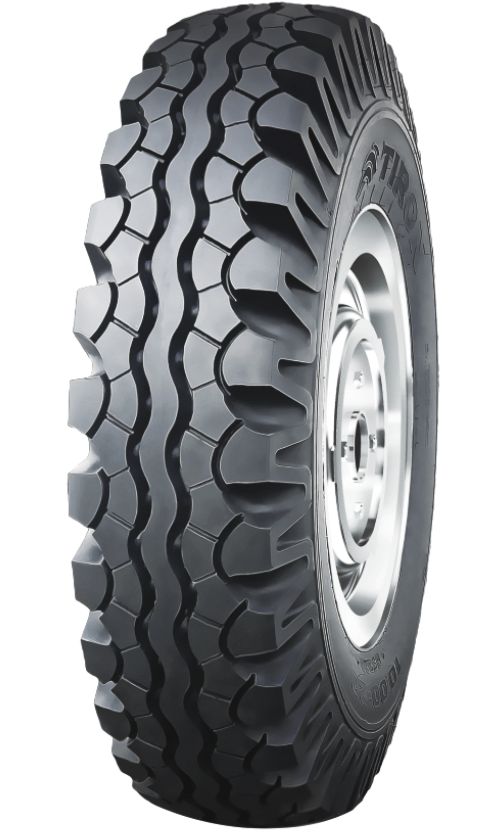
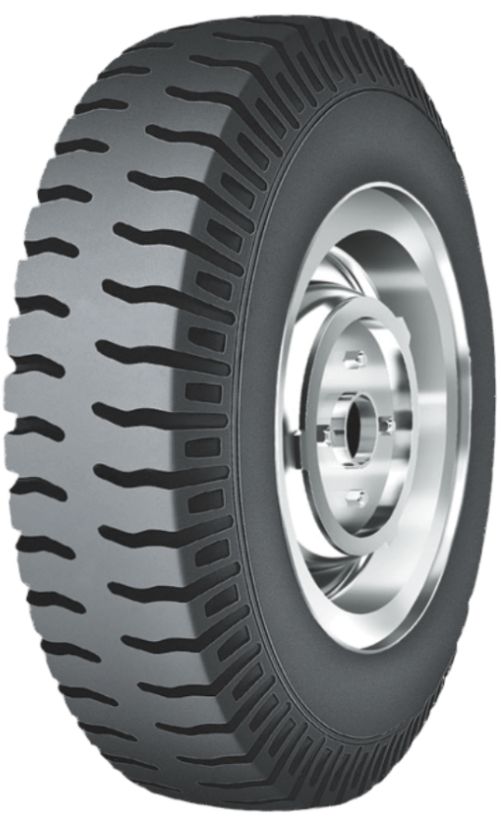
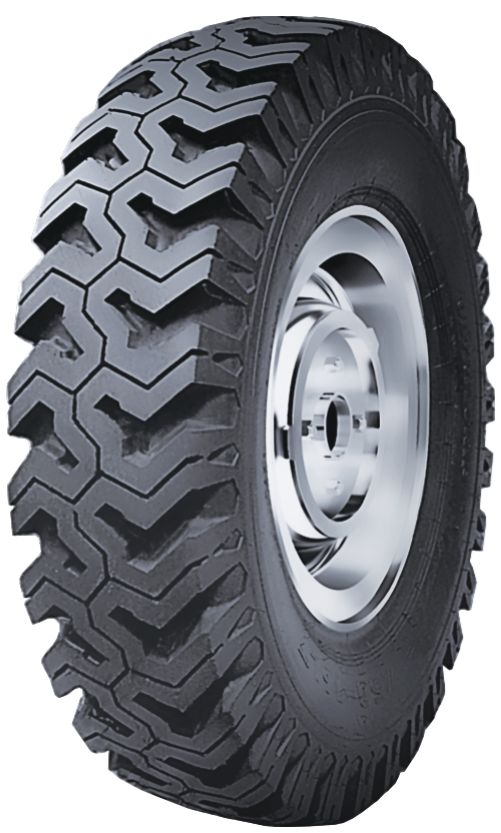
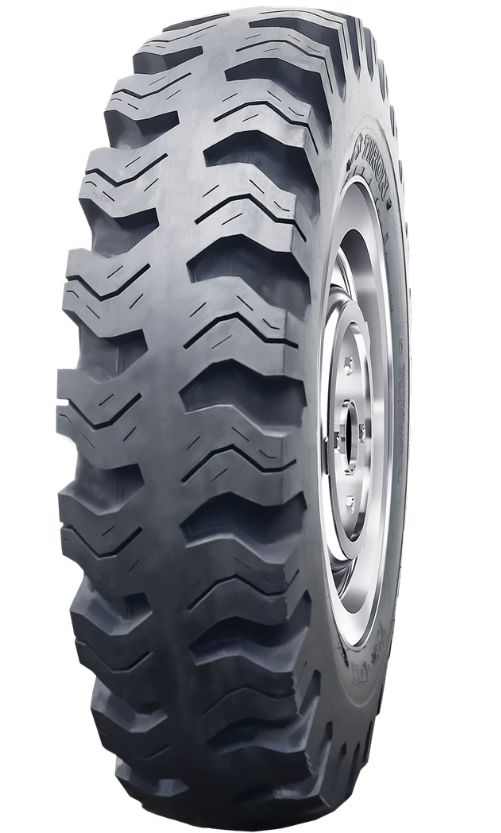
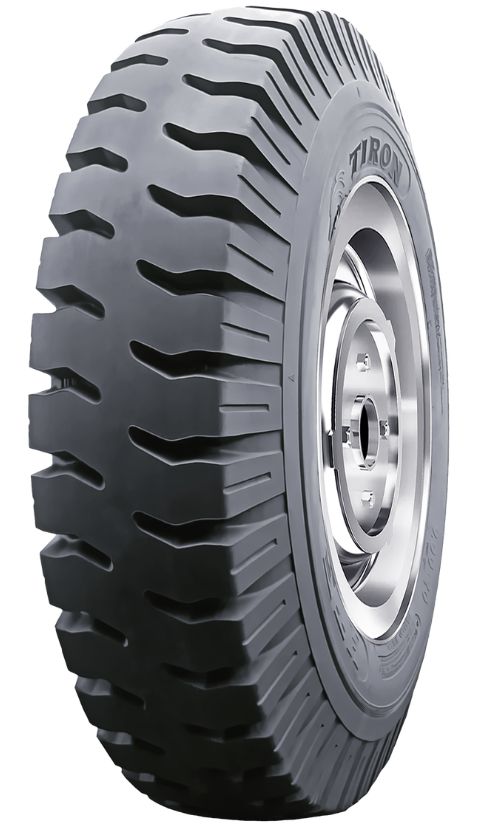
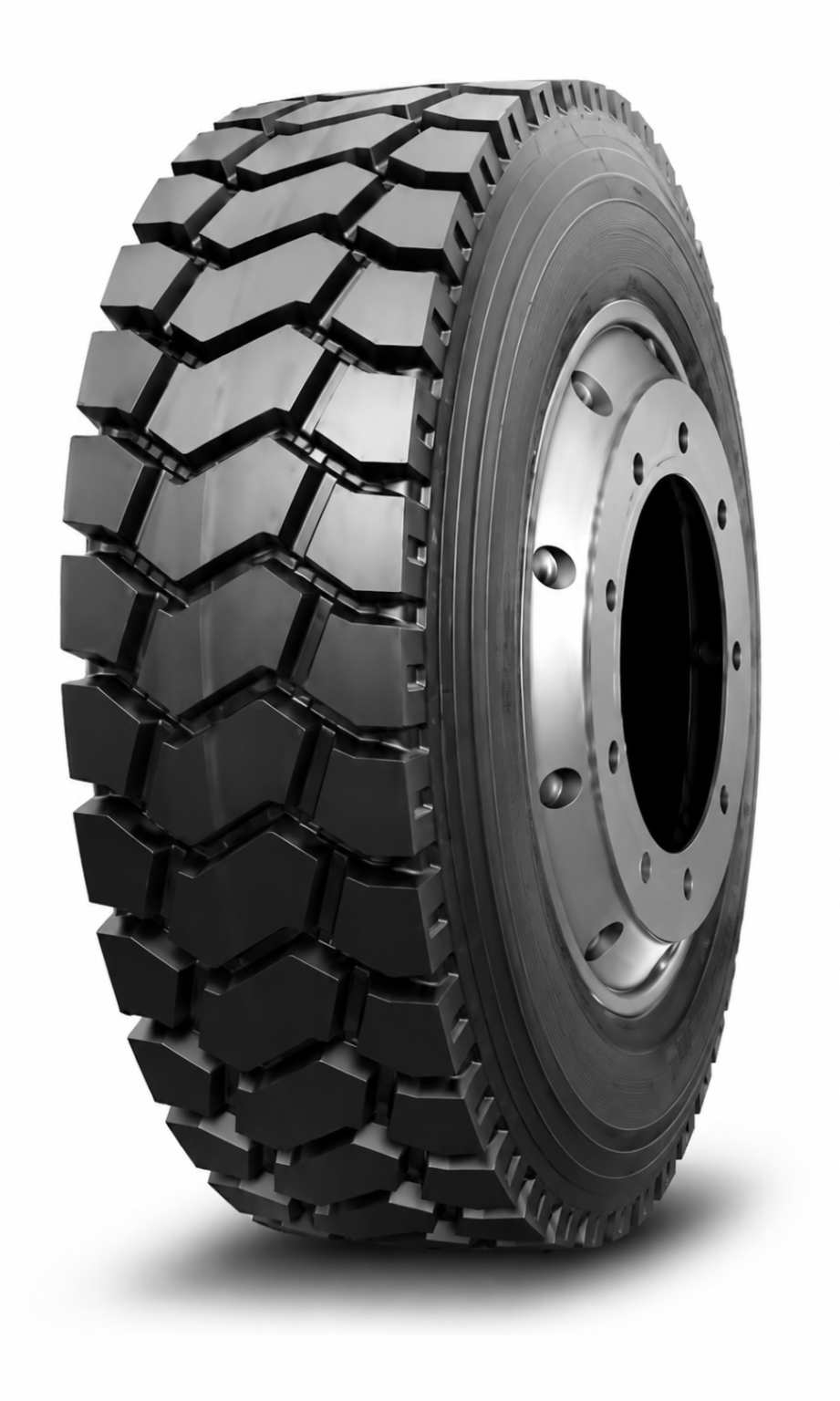
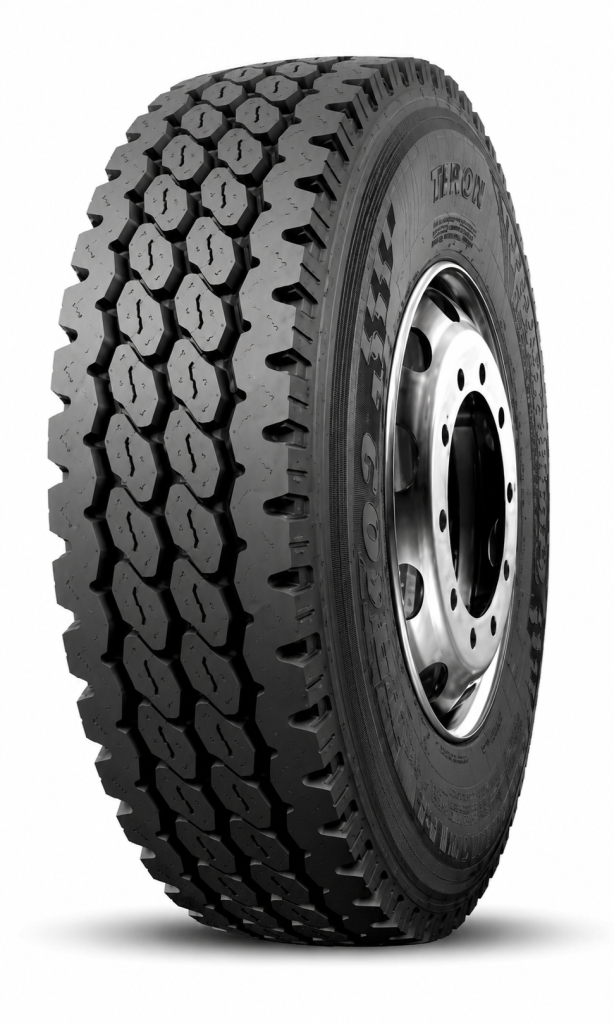
Lug Pattern
Typically used on drive axles.
Benefits:
- Strong traction
- Suitable for heavy loads
- Performs well on rough surfaces
Mixed Pattern
Offers a balance between traction and durability.
Selecting the correct tread pattern can significantly improve operational performance.
6. Consider Fuel Efficiency
Fuel is one of the largest operating expenses in logistics operations.
Tires with low rolling resistance can help reduce fuel consumption.
Although the initial purchase price may be higher, the total cost of ownership can be significantly lower over the tire’s lifespan.
For high-mileage fleets, fuel efficiency should be a key consideration.
7. Evaluate Tire Durability
Commercial vehicle tires must withstand demanding operating conditions.
Key durability factors include:
- Heat resistance
- Heavy-load capability
- Cut and tear resistance
- Sidewall strength
Fleets operating continuously under intensive workloads require tires with proven durability.
8. Consider Ease of Maintenance
A good commercial tire should not only be durable but also easy to maintain.
Important considerations include:
- Easy inspection procedures
- Support for tire rotation programs
- Compatibility with routine maintenance schedules
- Consistent service life
Simplified maintenance helps reduce fleet downtime.
9. Don’t Focus Solely on Purchase Price
Many businesses choose tires based solely on the lowest price.
However, the more important factor is long-term value.
A cheaper tire may not be economical if it:
- Wears out quickly
- Consumes more fuel
- Experiences frequent failures
- Causes operational downtime
It is more effective to evaluate the total cost of ownership throughout the tire’s service life.
10. Choose a Reliable Tire Supplier
In addition to product quality, selecting the right supplier is equally important.
A reputable supplier typically provides:
- High-quality products
- Consistent inventory availability
- Technical consultation
- After-sales support
- Recommendations based on operational requirements
This helps ensure businesses select the most suitable tires for their fleets.
Conclusion
Choosing truck tires is not a minor decision for logistics and distribution businesses. The right tires can improve operational efficiency, enhance fleet safety, reduce downtime, and lower long-term operating costs.
By considering factors such as operating conditions, load capacity, road environment, tread pattern, and fuel efficiency, companies can make smarter fleet investment decisions.
If your business requires reliable tire solutions for commercial vehicles, partnering with a supplier that understands industry-specific needs can be a strategic step toward achieving more efficient and productive operations.